
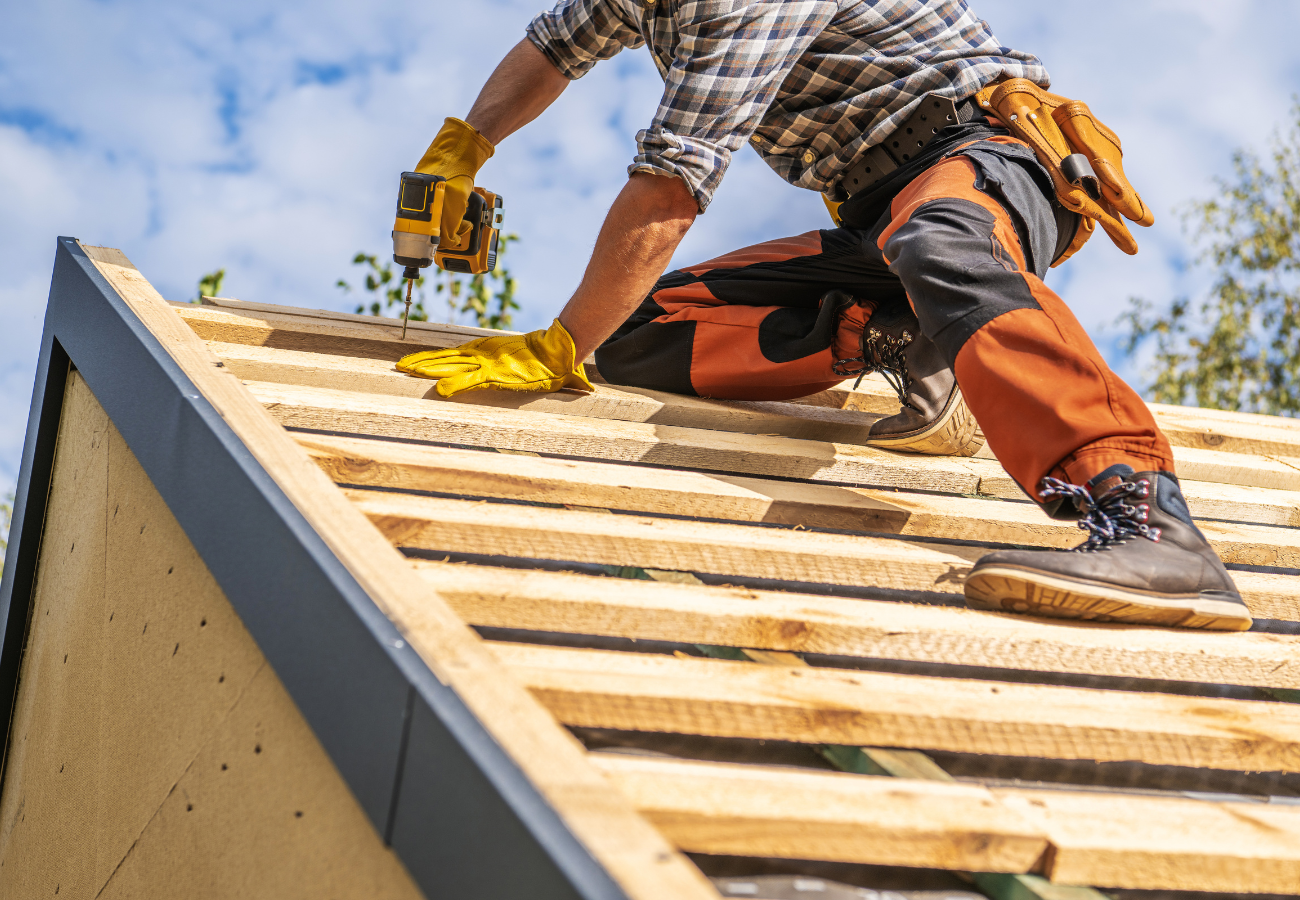
Replacing a roof is a significant investment, and knowing the right time to do it can make a huge difference in both cost and efficiency. While you might be tempted to put off a roofing project, timing your roof replacement can save you headaches and potentially extend the lifespan of your new roof. But when exactly is the best time to replace your roof? Let’s dive into the top times of year to tackle this essential home improvement.
Late Spring (May to Early June) – Ideal Weather Conditions
Why it’s great:
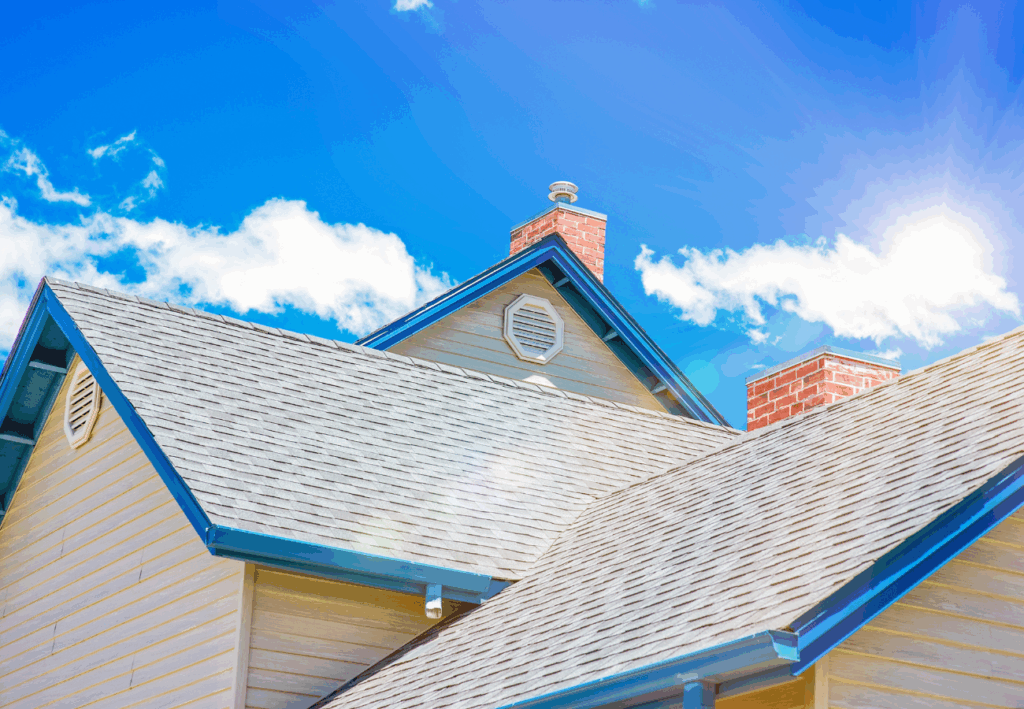
Late spring is arguably the best time for a roof replacement. The weather is warm but not too hot, and rain is generally less frequent. In these more moderate temperatures, roofing materials like shingles can properly seal, and contractors can work efficiently without risking damage due to extreme heat or cold.
What to keep in mind:
- Roofers are less likely to face weather delays, meaning faster project completion.
- Mild, dry weather ensures a secure installation.
Early Fall (September to Early October) – Before Winter Hits
Why it’s great:
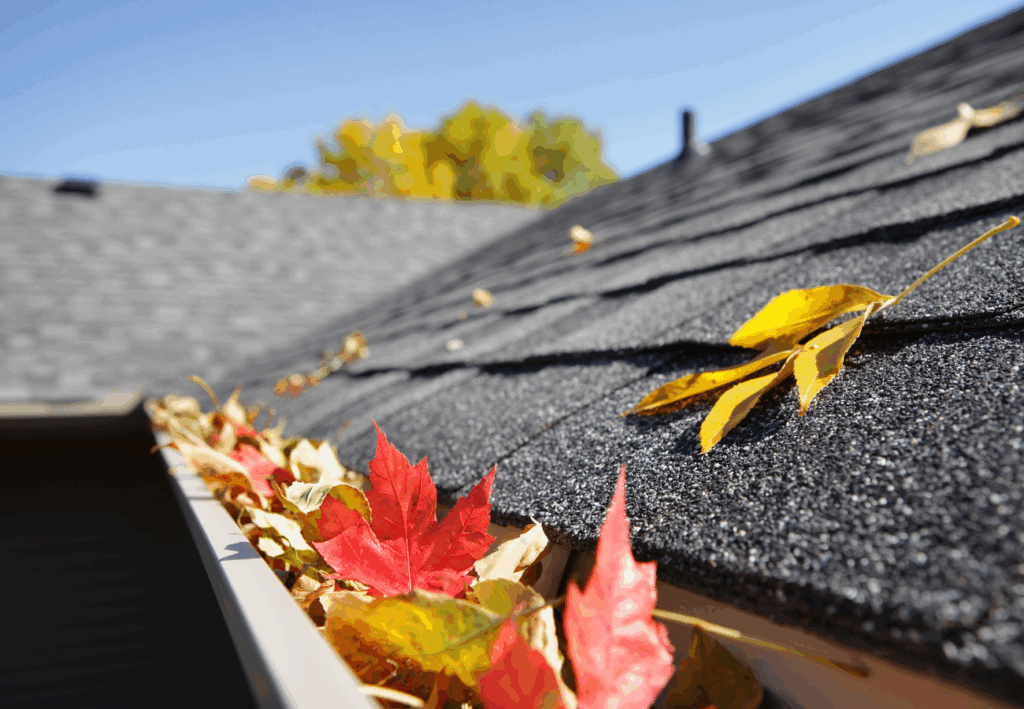
Like late spring, early fall offers great temperatures for roof installation — typically between 60°F to 75°F. This is especially important if you live in an area prone to winter storms, as replacing your roof before the cold weather hits ensures your home is protected from the harsh elements!
What to keep in mind:
- Early fall provides enough time for materials to cure before the first frost or snow.
- Fall is often a popular time for roof replacements, so you may need to schedule your contractor in advance.
Summer (Late June to August) – Warm Weather but Caution Required
Why it’s (somewhat) great:
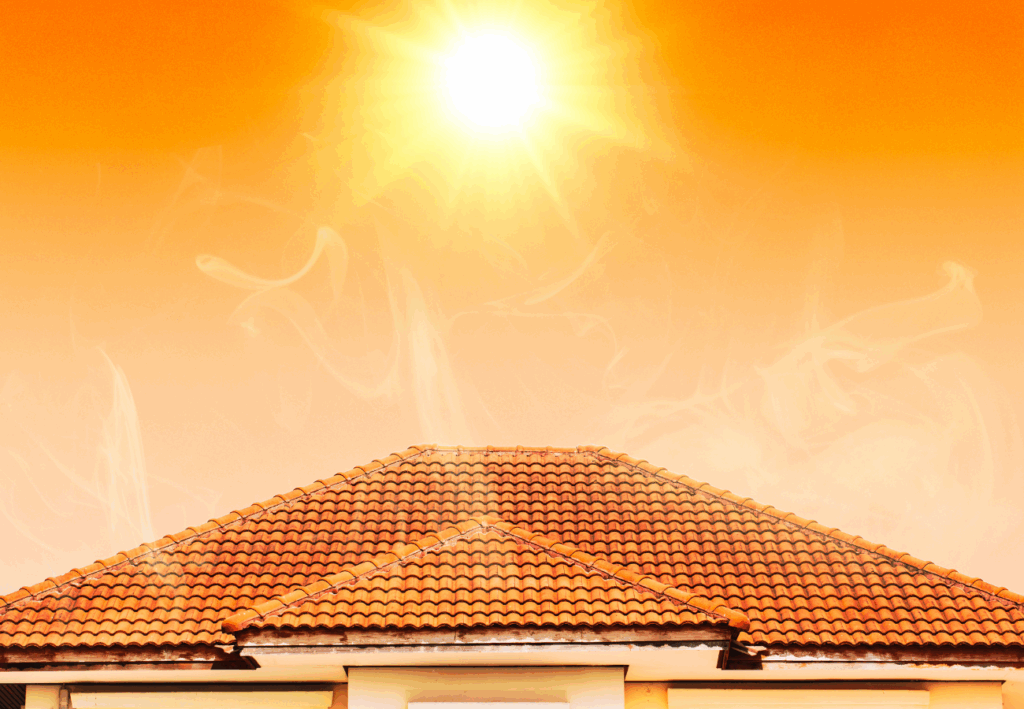
Summer is generally a good time for roof replacements because of the warm weather and sun, contractors may be able to work longer hours in the day. If you live in a region with mild summers, this can be a great window for getting the job done! However, roofing materials don’t always fare well in extremely high temperatures, so use your best judgement.
What to keep in mind:
- High temperatures can cause roofing materials to warp or crack if not handled properly. Be cautious if temperatures regularly exceed 90°F.
- Roofers can become busier during summer, so scheduling might require extra planning.
Winter (December to February) – Not the Greatest Choice
Why it’s risky:
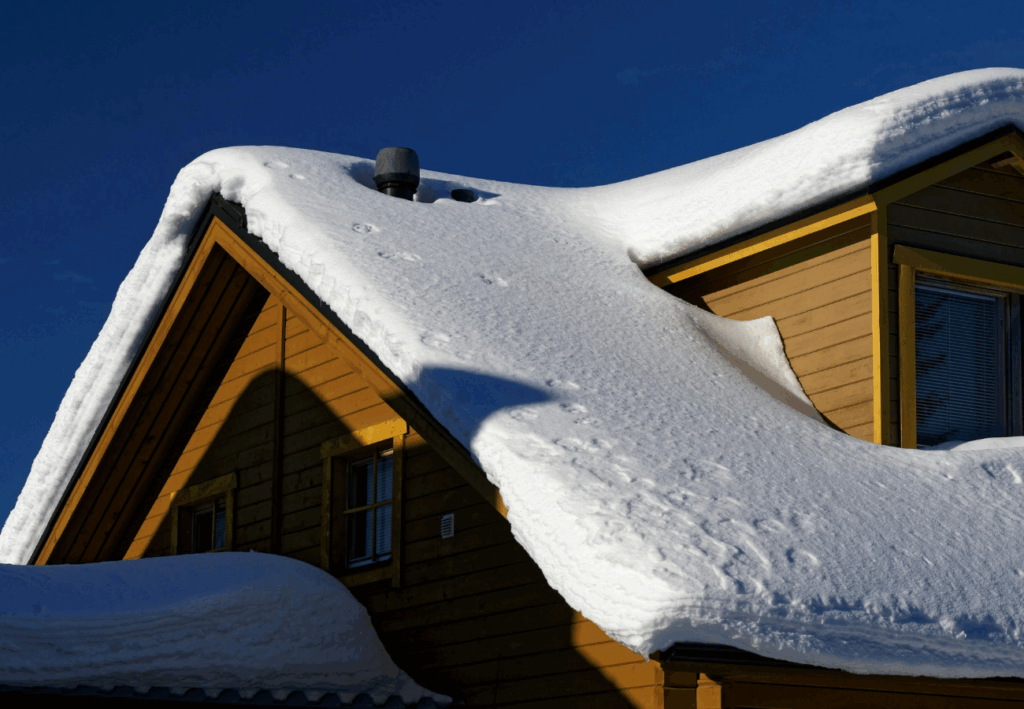
While winter roof replacements are not impossible, the colder temperatures can definitely cause issues. In particular, asphalt shingles become more brittle in cold weather, and adhesive strips don’t seal as well, which can compromise the integrity of the installation. The trusted roofers at Elite Plus Roofing still work to get the job done, however there are much better times to schedule your replacement.
What to keep in mind:
- Snow and ice can create significant delays, so winter roof replacements can take longer than expected.
- If a roof emergency arises during winter (like severe leaks), repairs are more common than full replacements, as conditions are generally not ideal for installation.
What About Emergency Roof Replacements?
If you’re dealing with storm damage or other unexpected issues, roof replacements may need to be done as soon as possible, regardless of the time of year. While the weather may not always be ideal, our roofers constantly do their best to complete repairs and replacements promptly to protect your home.
Plan Ahead, But Be Flexible
While early fall and late spring are generally the best times for a roof replacement, every situation is unique. Planning ahead for a roof replacement ensures that you’re making the best decision for both your home and your budget–but we understand that planning ahead isn’t always possible. In the case of an emergency, don’t wait for the perfect season, just make sure to hire a reliable, experienced roofing contractor to get the job done safely and effectively. At Elite Plus Roofing, no matter the situation, we have you covered.

Comments are closed